emin@budak ~/blog % cat akamai-inference-agent-boundary.md
Akamai Inference: Why the Agent Boundary Matters
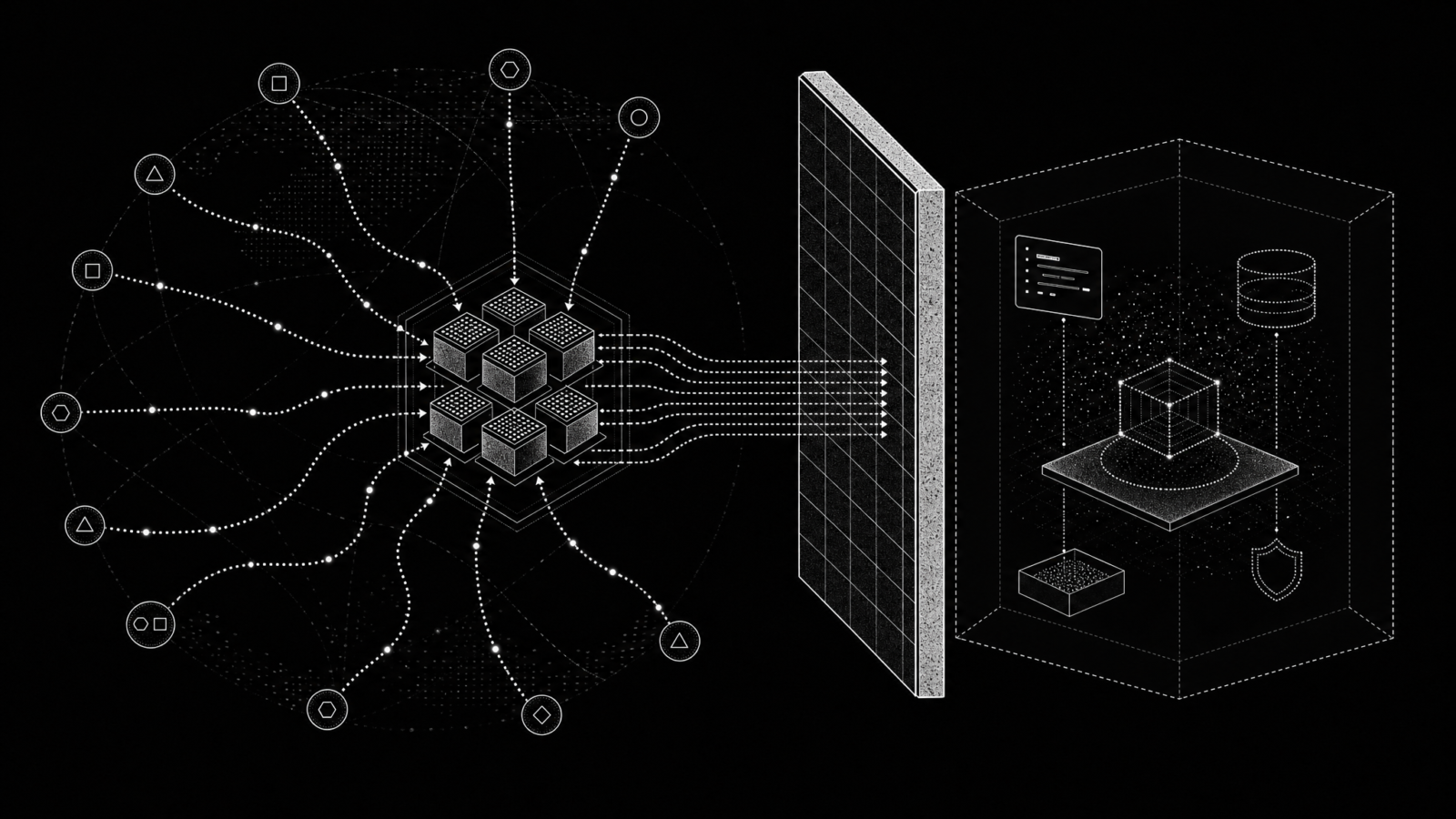
Akamai Inference matters because it pairs model serving with a separate place to run agent code. That sounds like normal cloud product packaging. It is more useful than that. It admits that a production agent has two jobs with different failure modes: generate a response, then do something because of it.
On October 27, Akamai announced a beta managed inference service and an Agent Sandbox. The inference service exposes open-weight and custom models through OpenAI-compatible APIs. The sandbox runs agents on Akamai Functions while putting code they produce in a separate WebAssembly-isolated environment. The company says its initial catalog has 12 open-weight models, from 8 billion to 2.8 trillion parameters.
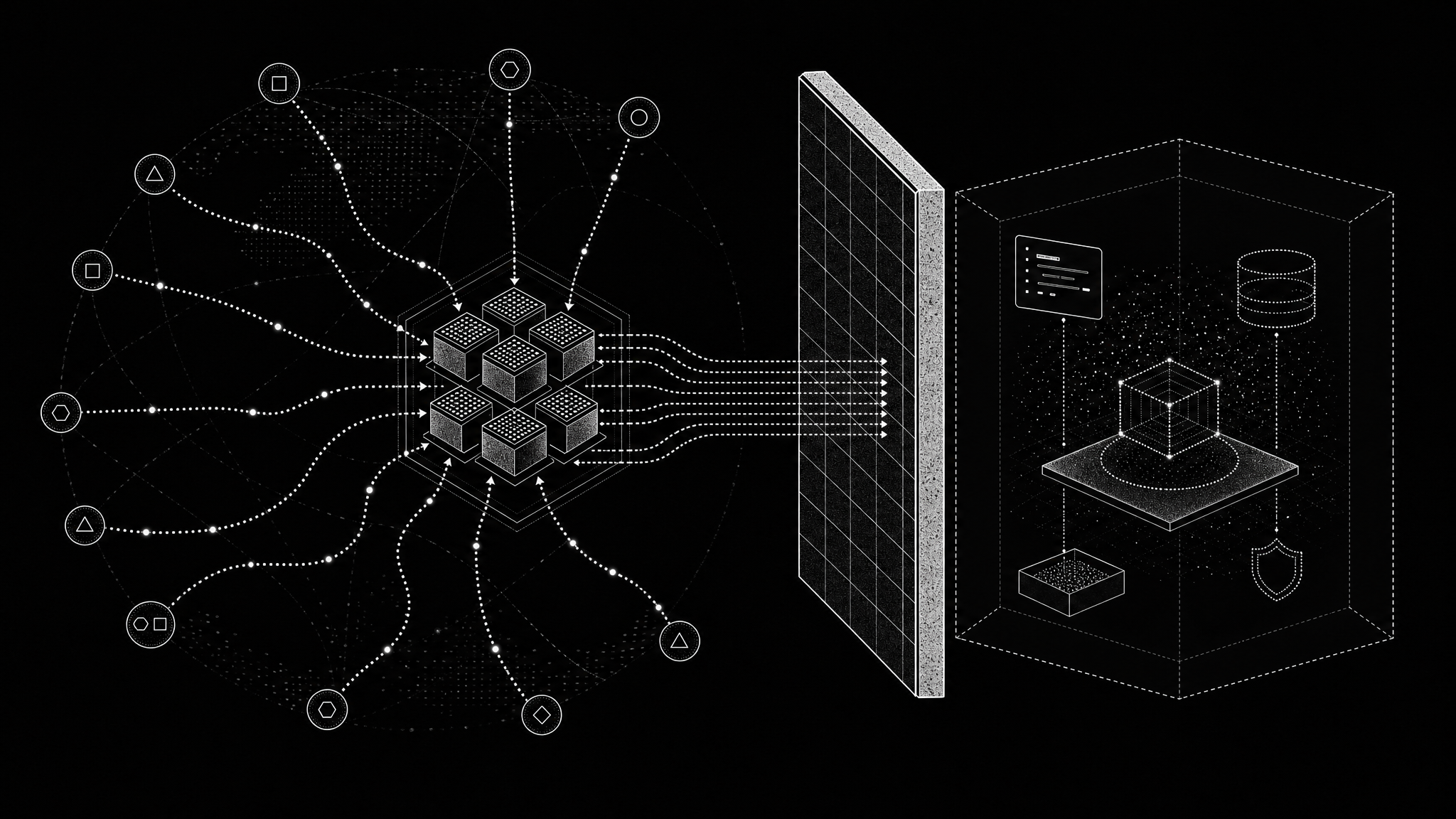
Akamai Inference splits serving from execution
Inference and execution look adjacent in an agent diagram, but they should not share the same trust assumptions. Model serving needs predictable latency, access to approved models, observability, quota controls and a way to reach retrieval data. Agent execution needs narrower authority. It needs a filesystem policy, network egress policy, runtime limits and a way to contain code that did not exist when the agent started.
That distinction gets lost when an agent framework treats a tool call as a function invocation. The model chooses an action. A tool adapter serializes it. A runtime performs it. The final step is where permission matters. A model endpoint can be well managed and still become the front door to a process with too much reach.
Akamai Inference addresses the serving half with managed deployment options and an OpenAI-compatible interface. Compatibility is valuable because it lowers the switching cost, not because it proves equivalent behavior. A request schema can move unchanged while model availability, rate limits, sampling defaults, regional capacity and data handling differ. Teams should treat API compatibility as a migration aid, then test the behavior they rely on.
The relevant comparison is not with a chatbot API. It is with the operational shape of a system such as llm-d 1.0, where scheduling, routing and serving policy become part of the product. Akamai is taking that problem toward its distributed network and attaching it to an execution boundary for agents.
The Akamai Agent Sandbox boundary is the interesting part
The Agent Sandbox is the more consequential half of the announcement. Akamai says agents run on its Functions platform, while agent-written code runs separately under WebAssembly isolation through the open source Spin framework. The advertised controls cover compute, memory, outbound connections and system capabilities.
Those controls are not interchangeable. A CPU limit prevents one kind of denial of service. A memory limit prevents another. Restricting system capabilities narrows what a process can ask the host to do. Egress policy is different again. It decides whether a compromised or confused task can send data somewhere it should not.
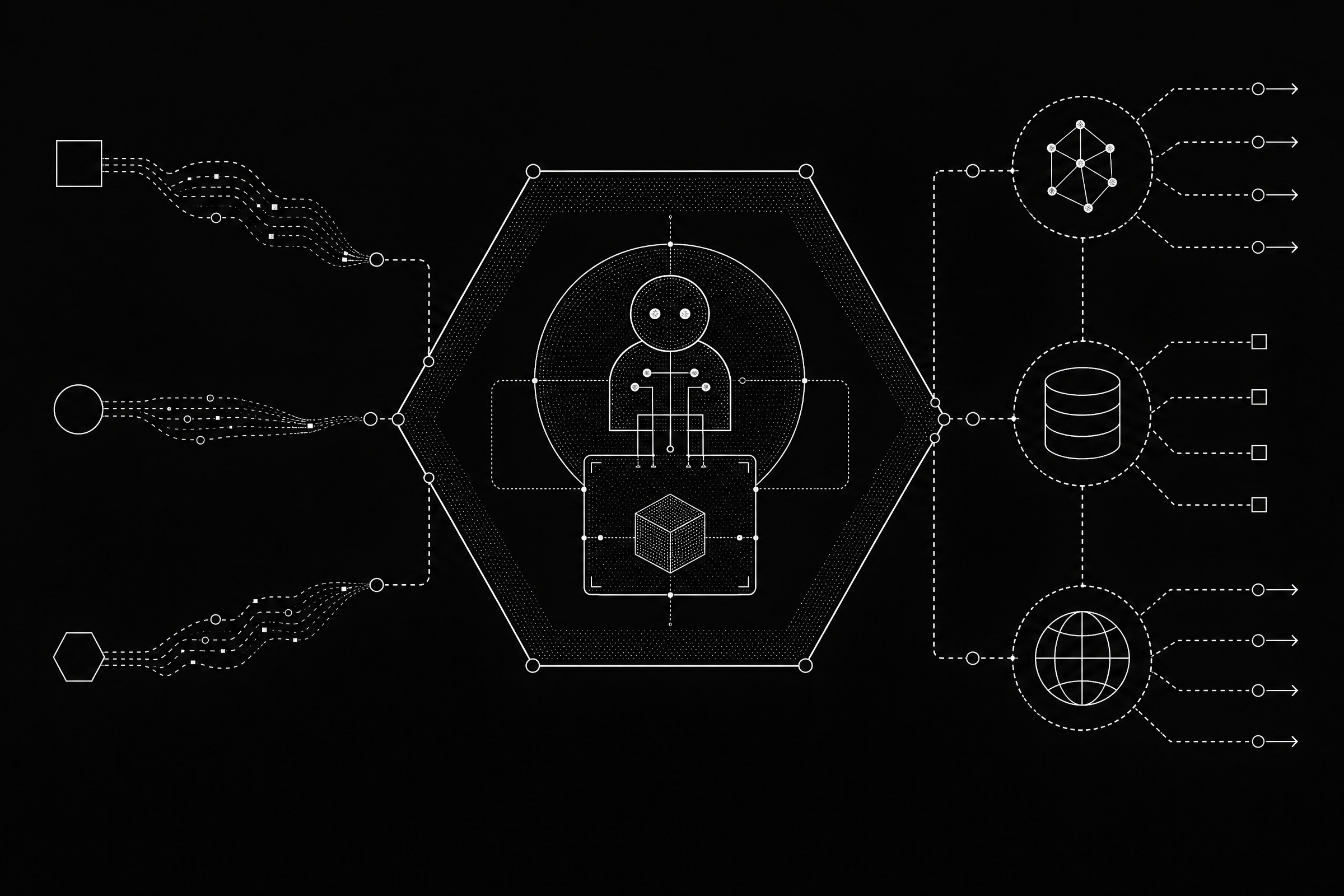
A simple architecture makes the point clearer:
| Layer | Primary job | Failure to contain |
|---|---|---|
| Inference | Turn prompts into model output | Latency, quota and model behavior |
| Agent runtime | Plan and select tools | Unexpected authority selection |
| Sandboxed execution | Run generated code or a task | Host access, egress and resource abuse |
| Tool boundary | Commit an external action | Wrong target or irreversible side effect |
A sandbox does not remove the last row. It cannot decide whether sending an invoice, opening a firewall rule or deleting a record is correct. It can make the execution environment less dangerous. The tool boundary still needs an allowlist, scoped credentials and approval for meaningful side effects. This is the same reason a voice agent stack needs clear separation between conversation, tool selection and the action itself, as in Voxtral 3.
WebAssembly is a boundary, not a permission model
WebAssembly is a credible mechanism for isolating small workloads, but the security result depends on its host interfaces. A module with no filesystem mount and no network capability has a small blast radius. Give it a broad host API, a writable shared volume and open outbound access, and the module may be isolated at the instruction level while still being powerful at the system level.
That is why the details worth testing are mundane. Can a task reach metadata endpoints? Can it resolve arbitrary domains? Are credentials injected into every run or only into named tools? Does a cancelled task lose its network access? Are logs filtered before operators or downstream models read them? A polished architecture diagram cannot answer any of those questions.
The launch announcement says the sandbox is delivered as an open source Spin component, and that both services are in beta. That is the right stage to inspect the capability model closely. Beta is not a criticism. It is a reminder not to treat a product boundary as proven before its controls have met real workloads and real misuse.
What to evaluate before moving an agent to Akamai
Start with a workload that has real boundaries. A code transformation job is better than a demo chat. Give it a repository with a decoy secret, a network destination that should be blocked and a task that tries to exceed its normal runtime. Then inspect what the platform logs and what it refuses.
- Check which model calls can reach private data and how that access is logged.
- Confirm that generated code has a distinct identity from the agent runtime.
- Test outbound network denial, not only a successful HTTP request.
- Verify whether filesystem and secret access are mounted per task or shared across tasks.
- Measure cold starts and tail latency from the regions that matter to the application.
Independent coverage focused on the same split: managed model access on one side, isolated agent execution on the other. SiliconANGLE’s report also notes the OpenAI-compatible interface and the WebAssembly-based execution model. The useful unknowns remain the operational ones: default capability settings, observability, failure handling and the behavior under concurrent agent runs.
Akamai’s launch is not evidence that one vendor can replace every piece of an agent stack. It is evidence that the stack is starting to settle around a healthier shape. Serve models where serving works. Run untrusted or generated work where it has a hard boundary. Put the final authority to act somewhere stricter than either.