emin@budak ~/blog % cat zod-supply-chain-incident.md
Zod Supply Chain Incident: A Painful Package Lesson
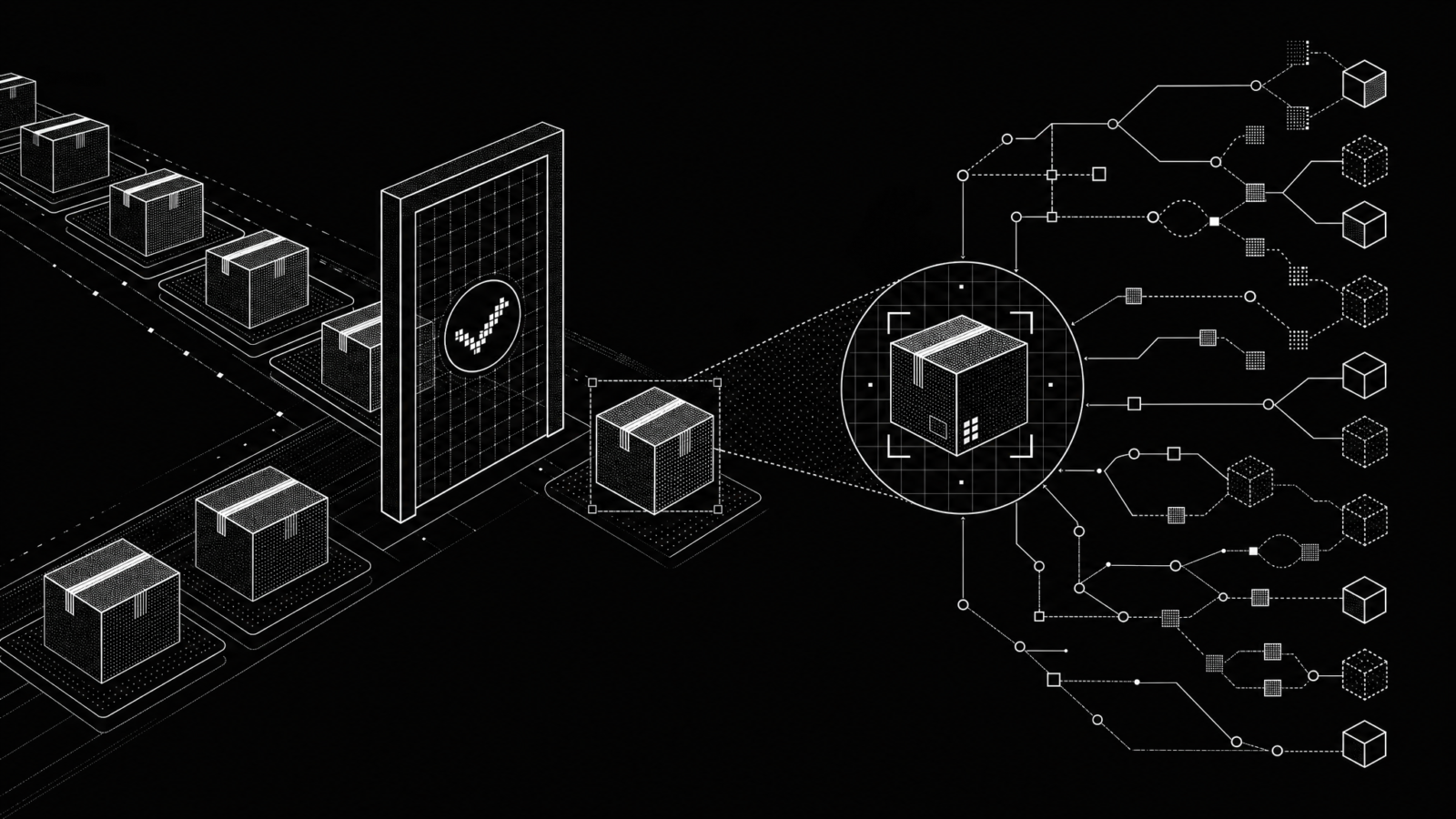
The Zod supply chain incident is a reminder that a patch release can be an executable security event, not a maintenance detail. A commit associated with version 4.6.6 added a preinstall hook to several packages and included code that contacted public Ethereum RPC endpoints before attempting to obtain and execute a remote payload. That is enough to pause an upgrade. It is not enough to claim a confirmed compromise of every consumer.
What changed in the Zod release path
The useful fact is in the public commit, not in a rumor chain. It bumps several package manifests from 4.6.5 to 4.6.6. It also changes the release workflow from a manual dispatch to a push trigger for selected package manifests. More importantly, it adds a preinstall command to package metadata.
That hook runs before dependency installation completes. The added script imports filesystem, operating-system, and path modules, queries a small set of public RPC services, decodes returned data, fetches a loader, writes a payload into a temporary directory, and imports setup code. The visible source catches errors aggressively. That does not make it harmless. It makes a failed run quiet.
This is why the Zod supply chain incident deserves a narrower, more technical reading than “a package had suspicious code.” The release mechanism, package metadata, and install-time behavior all changed together. Any one of those deserves review. Together they cross the line from a normal dependency update to an incident response problem.
Why an install hook changes the risk
An application can import a library only on a specific code path. A lifecycle hook has a different reach. It can run during local installation, CI dependency resolution, container builds, and cache refreshes. The operational question is not only “does production execute this library?” It is “where did this version enter a build environment?”
That distinction matters because build machines tend to hold more credentials than application processes. They may have registry tokens, deployment credentials, source-control access, cloud configuration, or release signing material. A malicious hook does not need to understand the application. It only needs a useful environment.
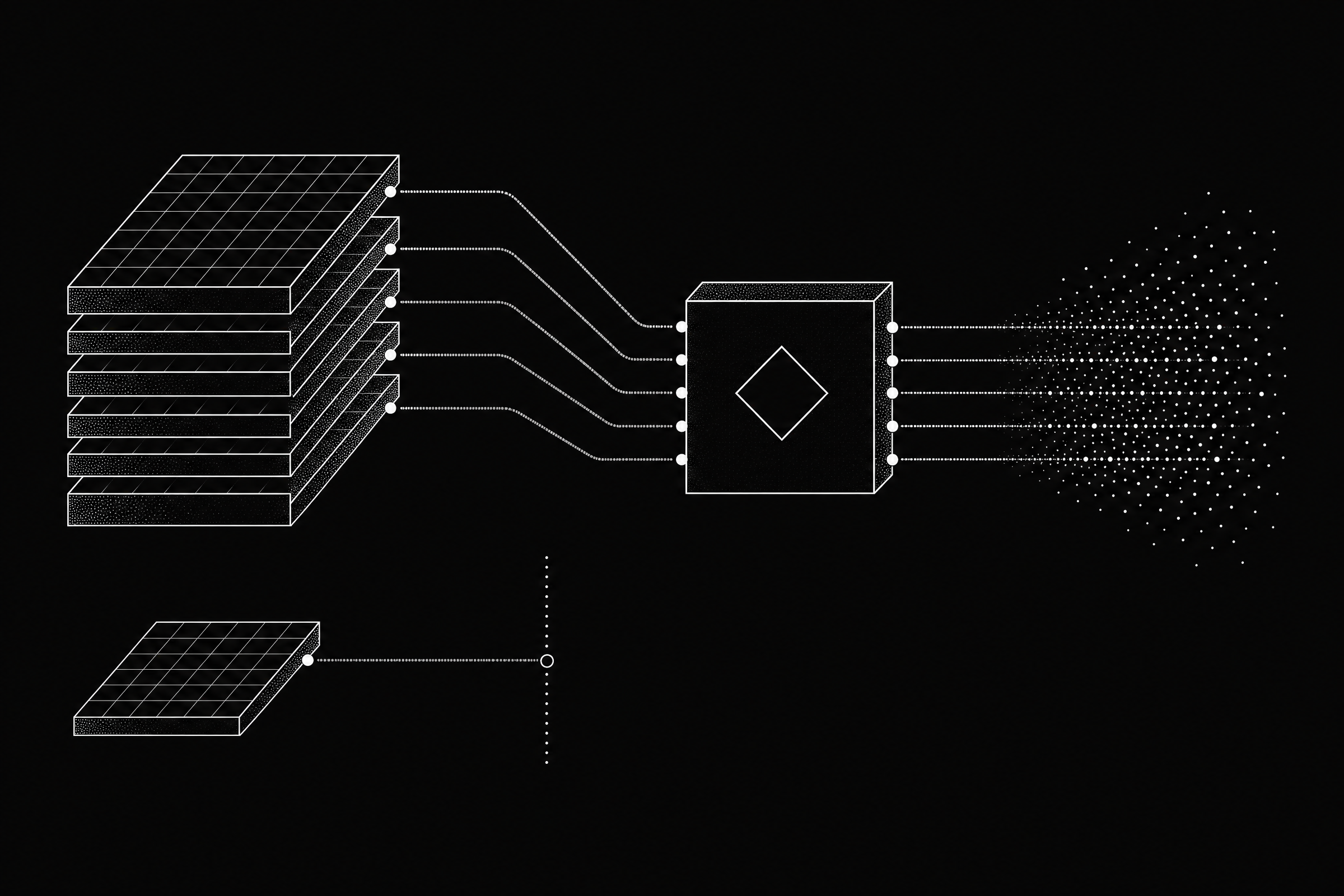
The Zod release history also shows why version numbers alone are weak evidence. A patch label describes intended compatibility, not the safety of the publishing path. The package manager does not understand whether a new lifecycle hook fits the semantic scope of a patch. It installs what the metadata asks it to install.
How I would respond to this Zod supply chain incident
I would start with containment, not cleanup theater. First, locate every lockfile and build artifact that resolves the affected version. Then stop fresh installs or rebuilds that could resolve it. Do not run package-manager repair commands on a shared CI worker before preserving logs and relevant caches. Those commands can erase the evidence that tells you what ran.
| Question | Evidence to inspect | Decision |
|---|---|---|
| Did a build resolve the release? | Lockfiles, dependency caches, build logs | Identify affected runners and images |
| Did the hook run? | Install logs, process telemetry, temporary directories | Escalate as credential exposure if evidence exists |
| Can the build reproduce safely? | Pinned known-good version and isolated runner | Restore only after the dependency graph is explicit |
Next, pin a known-good version in every package manager that participates in the build. A lockfile update is a code change here. Review it like one. If the project uses a dependency proxy or artifact store, check whether it retained the affected tarball and when clients fetched it. This is also a good time to rotate credentials that were available to a runner with evidence of execution. Rotation without scoping wastes time, but waiting for certainty after a credible hook execution wastes more.
The recent Bevy 0.20 migration analysis covered a much more ordinary upgrade problem: changing code intentionally and checking what breaks. This case is the uncomfortable counterpart. Before behavior changes in an application, an update can change the behavior of the installation process itself.
What to watch after the immediate response
The initial commit provides strong evidence of dangerous install-time behavior. It does not, by itself, settle every other question. I would avoid inventing a victim count, an attribution story, or a payload outcome until primary evidence supports it. Watch for a maintainer advisory, registry actions, a remediation release, and indicators that clarify which published artifacts contained the hook.
The Hacker News front page was one early signal that engineers were inspecting the change closely. That is useful as a signal, not as a source of truth. The durable record remains the commit diff and any subsequent official remediation.
The practical lesson from the Zod supply chain incident is simple: treat lifecycle hooks, publishing workflow changes, and lockfile diffs as one security surface. Patch updates should stay boring. When they stop being boring, make the build pipeline the first place you investigate.